Understanding AC Systems and Their Benefits
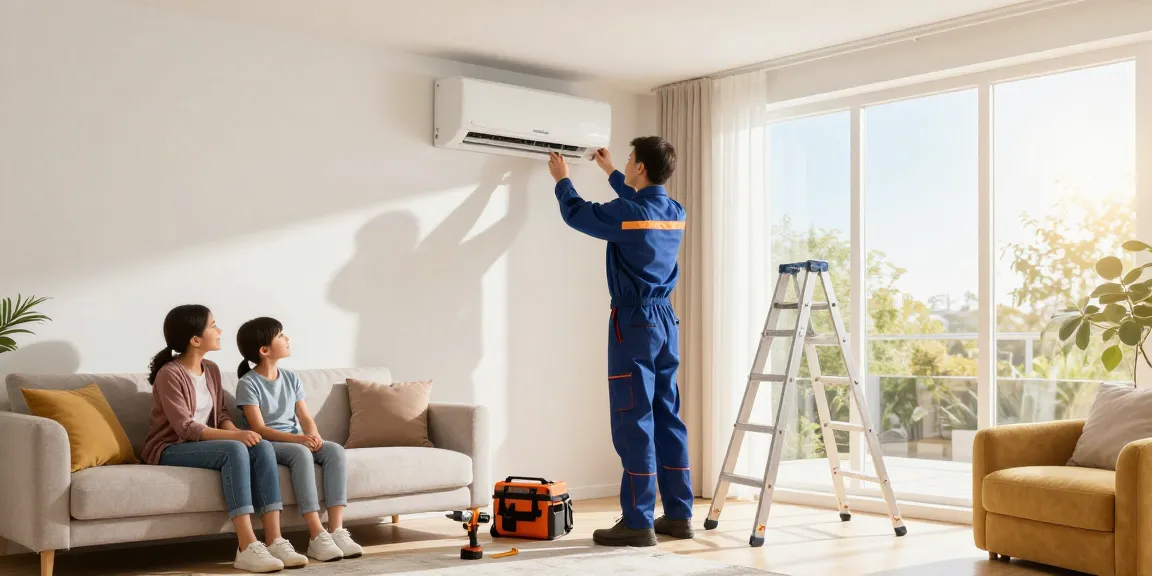
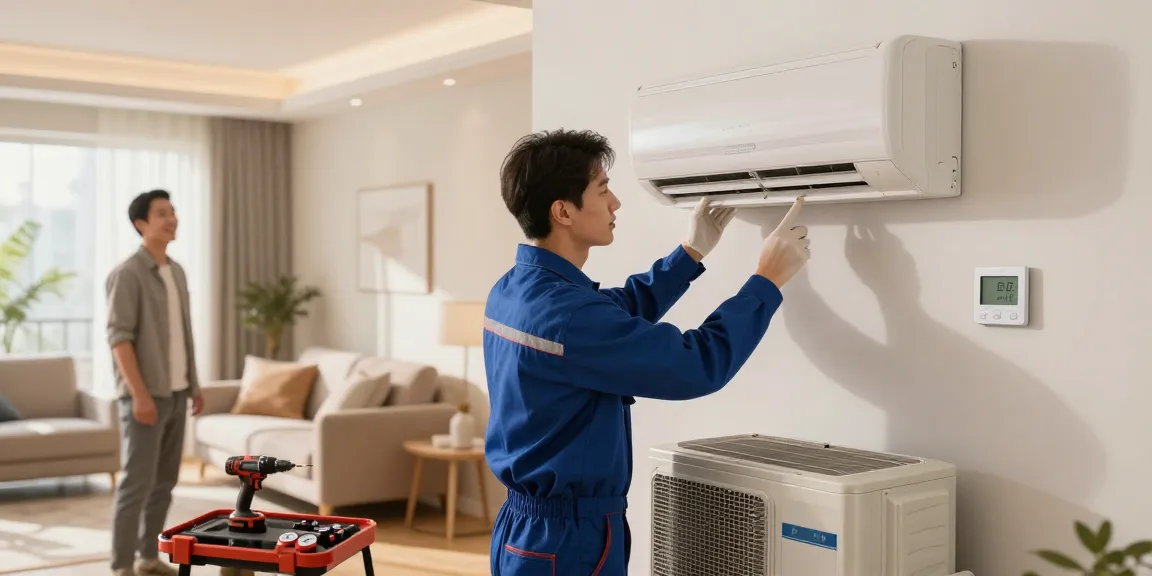
As temperatures rise, the importance of a reliable air conditioning (AC) system becomes more apparent. A well-functioning AC unit not only enhances comfort but also contributes to better indoor air quality and energy efficiency. Understanding different AC systems can help homeowners make informed decisions about their installations and maintenance. Whether it’s for cooling a home, office, or any other space, the selection of an appropriate AC unit is crucial. When exploring options, AC installation experts provide comprehensive insights to ensure you choose the right system for your needs.
What Types of AC Systems Are Available?
Modern air conditioning systems come in various types, each catering to different cooling requirements and preferences.
- Central Air Conditioning: This system uses ductwork to distribute cool air throughout a home, making it ideal for larger spaces. It maintains uniform temperatures and is usually quieter than other types.
- Split Systems: These consist of an indoor unit and an outdoor condenser, offering flexibility and efficiency. They are popular in homes without ductwork and allow for zoning, meaning different rooms can be cooled independently.
- Ductless Mini-Split Systems: Similar to split systems but without ductwork, these units are ideal for retrofitting older homes. They provide targeted cooling and are efficient in energy consumption.
- Window Units: These are self-contained cooling systems suitable for single rooms. They are affordable and easy to install but can be louder than other systems.
- Portable Air Conditioners: These units can be moved from room to room and are ideal for temporary cooling needs. They require venting through a window but offer flexibility as they are not fixed in place.
How Do AC Systems Improve Indoor Air Quality?
AC systems play a significant role in maintaining indoor air quality by filtering out dust, allergens, and pollutants. Most modern AC units come equipped with advanced filtration systems that can capture particles as small as 0.3 microns. This is crucial for individuals with allergies or respiratory conditions, providing cleaner and healthier air. Moreover, air conditioning systems help regulate humidity levels, preventing the growth of mold and mildew, which thrive in high humidity environments.
Evaluating the Cost-Effectiveness of AC Installation
Understanding the long-term financial implications of an AC installation is vital for homeowners. While the initial investment can be substantial, energy-efficient models can lead to significant savings over time through reduced electricity bills. Additionally, modern units often qualify for energy tax credits or rebates, further enhancing their cost-effectiveness. It’s crucial to compare the upfront costs against projected savings and potential maintenance expenses to make an informed decision.
Choosing the Right AC Installation Experts
Selecting the right professionals for your AC installation is as important as choosing the system itself. The expertise of your installation team can greatly influence the efficiency and longevity of your AC unit.
What to Look for When Hiring AC Installation Experts?
When searching for AC installation experts, consider the following factors:
- Experience and Reputation: Look for companies with a solid track record and positive customer feedback. Experience often correlates with higher quality workmanship.
- Licensing and Insurance: Ensure the technicians are licensed to perform AC installations in your area and have adequate insurance to cover any potential damages or injuries during the installation process.
- Warranty Offered: A good installation service will provide warranties on their work, showing confidence in their service.
Verifying Qualifications and Certifications of HVAC Technicians
Before hiring an HVAC technician, verify their qualifications. Look for certifications from recognized organizations, such as the North American Technician Excellence (NATE) or the Refrigeration Service Engineers Society (RSES). These certifications demonstrate a technician’s knowledge, skills, and commitment to ongoing education in the HVAC field.
Understanding Customer Reviews and Testimonials
Reading customer reviews can provide insights into an installation company’s reliability and quality of work. Look for reviews on multiple platforms, including Google, Yelp, and the Better Business Bureau (BBB). Pay attention to recurring themes in feedback to gauge the company’s strengths and weaknesses.
Preparing for AC Installation
Preparation is key for a smooth AC installation process. Homeowners should take several steps to ensure that everything goes smoothly on the installation day.
Assessing Your Home’s Cooling Needs
Every home is different, and cooling needs can vary significantly based on the size, layout, and insulation of your space. It’s important to work with installation experts to perform a load calculation, ensuring that the selected AC unit is appropriately sized for your home.
Making Space for Your New AC Unit
Prior to installation, clear the area where the indoor and outdoor units will be placed. Ensure that the outdoor unit has enough space for airflow and maintenance. For ductless systems, identify wall locations for the indoor units that maximize cooling efficiency.
Communicating with Your AC Installation Team
Clear communication with your installation team is crucial. Discuss your expectations, ask questions, and share any specific concerns you may have. This helps to set a clear scope of work and ensures that everyone is on the same page during the installation process.
Best Practices for AC Installation
To ensure that your AC unit operates efficiently and lasts longer, adhere to best practices during installation.
Step-by-Step Process of AC Installation
The AC installation process typically involves several stages:
- Pre-installation assessment and load calculation
- Selection of the appropriate AC unit
- Preparation of the installation site, including any necessary electrical work
- Installation of the indoor and outdoor units
- Testing of the system to ensure proper operation
Common Mistakes to Avoid During Installation
Several mistakes can compromise the effectiveness of an AC installation:
- Choosing an incorrectly sized unit, which can lead to inefficiency and increased wear and tear.
- Neglecting to verify ductwork integrity, which can compromise airflow.
- Overlooking local codes and regulations, resulting in fines or unsafe installations.
How to Ensure Optimal Placement of Your AC Unit?
Optimal placement of your AC unit can enhance performance. For outdoor units, select a location that allows for good airflow, away from obstructions. Indoor units should be placed in areas that maximize airflow throughout the space, ideally centralized for even cooling.
Maintaining Your AC System After Installation
Once your AC system is installed, proper maintenance is critical for ensuring its longevity and efficiency.
Essential Maintenance Tips from AC Installation Experts
AC installation experts recommend the following maintenance tips:
- Change or clean filters regularly to ensure airflow and improve indoor air quality.
- Schedule annual professional maintenance to check for leaks, clean coils, and ensure overall system performance.
- Keep the outdoor unit clear of debris and ensure it has adequate ventilation.
When to Schedule Professional Maintenance?
Ideally, professional maintenance should be performed at least once a year, preferably before the cooling season begins. This allows technicians to identify and address any potential issues before they develop into more significant problems.
Signs Your AC Needs Repairs or Replacement
Homeowners should be vigilant for signs that their AC units may need repairs or replacement:
- Increased energy bills despite consistent usage levels
- Inconsistent cooling throughout the home
- Strange noises or odors coming from the unit
- Unusual moisture or leaks around the unit
What are the Benefits of a Professional AC Installation?
Hiring professionals for AC installation offers numerous advantages. Professionals provide correct sizing and placement, ensuring that your system operates at peak efficiency. Moreover, many companies offer warranties on labor, providing peace of mind in case of issues post-installation.
How Long Does AC Installation Typically Take?
The duration of AC installation varies based on the system type and home size, usually ranging from a few hours to a full day. More complex installations, like ductwork, may require additional time. Your AC installation team should provide you with a time estimate during the consultation.
What Should You Expect During a Home AC Assessment?
During a home AC assessment, the installation team will evaluate your space to determine your specific cooling needs. They will assess factors such as insulation, window size, and existing ductwork, helping to ensure that the new unit will function efficiently.
Are Ductless Systems Worth Considering?
Ductless systems offer several advantages, such as superior energy efficiency and the ability to cool different zones independently. They are particularly beneficial for homes without existing ductwork or for those looking to upgrade to more efficient cooling options.
How Can Upgrading Your AC Improve Energy Efficiency?
Older AC units often lack the advanced technology and efficiency rating of newer models. Upgrading can lead to lower energy consumption, reduced electricity bills, and a smaller carbon footprint. Modern units typically come with higher Seasonal Energy Efficiency Ratio (SEER) ratings, translating to better performance per energy unit consumed.